The phrase "Su gimimo diena" is a Lithuanian expression that translates directly to "Happy Birthday" in English. It's a common and heartfelt way to convey birthday wishes to friends, family, and acquaintances in Lithuania. Lithuanians celebrate birthdays with various traditions, making this simple greeting a gateway to understanding their cultural practices surrounding this special occasion.
Lithuanian Birthday Traditions
Celebrating another year of life is considered priceless in Lithuania. Lithuanians don't just say "Su gimimo diena"; they also engage in unique traditions. One such custom involves hanging a garland around the door of the celebrant’s home. The surprise doesn't end there. The birthday celebrant, known as a gimtadienio šventėjas, will sit in a decorated chair, and family members lift them three times. While children typically celebrate birthdays (gimtadienis), older individuals often prefer to celebrate their name days. Similar to birthdays, they use garlands to decorate the door and chair of the celebrant and lift them three times.
People generally love to celebrate birthdays, and each culture has its distinct ways of doing so. The dictionary defines a birthday (gimtadienis) as the anniversary of the day on which a person was born. In most countries, it's a special occasion that usually involves cakes and gifts, celebrated with the presence of friends and family. However, some individuals prefer to celebrate their birthday alone.
Lithuanian culture places importance on expressing well wishes. For example, the phrase "Sveikinu Su Gimimo Diena" incorporates the word "Sveikinu," which means "Congratulations." This is fitting, as being blessed with another year of life can be seen as a priceless achievement. While there's no law mandating birthday celebrations, for some, it's a way to thank the creator for the gift of life. Wishes often include hopes for the following years to be better than the others, emphasizing that true happiness in life cannot be found in material possessions.
A Lithuanian birthday, like many others, is often incomplete without the singing of the birthday song. To truly appreciate these greetings, learning the Lithuanian language and practicing common expressions is key. Some examples include:
- Lithuanian: Ilgiausių metų… baik. (Longest years...)
- Lithuanian: Su gimtadieniu, tėti. (Happy birthday, dad.)
- Lithuanian: Happy birthday, Mom.
- Lithuanian: Sveikinu gimtadienio proga, sese! (Congratulations on your birthday, sister!)
- Lithuanian: Su gimtadieniu, brangute. (Happy birthday, darling.)
- Lithuanian: Su gimtadieniu, biče! (Happy birthday, mate!)
- Lithuanian: Su gimtadieniu, gražuolė. (Happy birthday, beautiful.)
- Lithuanian: Su gimtadieniu, mano brangioji. (Happy birthday, my dear.)
- Lithuanian: Laimingo, laimingo gimtadienio Lai išsipildo svajonės tavo visos. (Happy, happy birthday. May all your dreams come true.)

"Su Gimimo Diena" in Context
The phrase "Su gimimo diena" is frequently used in various contexts, including official speeches and personal interactions. For instance, parliamentary members have used it to wish colleagues a happy birthday, sometimes acknowledging the belated nature of the greeting. It highlights the importance of personal connections even within formal settings.
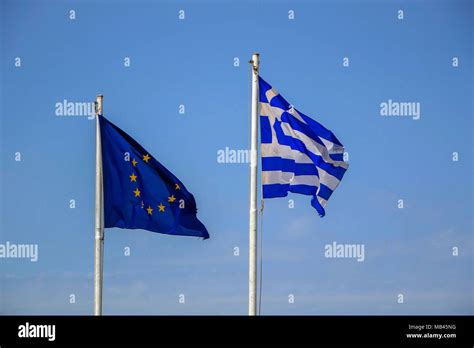
The European Union also marks significant dates with a sense of celebration. March 25th is noted as the "birthday" of both Europe and Greece, symbolizing the founding of the European Union in 1957 and the birth of Greece in 1821. This usage extends the concept of a birthday to represent foundational moments and historical beginnings.
Beyond personal celebrations, the term "gimimo diena" appears in legal and administrative texts, often relating to age verification or periods of validity for documents. For example, driver's licenses might be valid until a holder's 100th birthday, and certain legal provisions consider the date of birth for eligibility or duration of benefits, such as those related to childcare or retirement.
Linguistic Nuances and Alternatives
While "Su gimimo diena" is the most common way to say "Happy Birthday" in Lithuanian, another common variation is "Su gimtadieniu." Both phrases convey the same sentiment and can be used interchangeably in written and spoken greetings. The inclusion of "Sveikinu" (Congratulations) adds a layer of formality and emphasizes the significance of the occasion.
Learning these phrases offers a valuable opportunity to connect with Lithuanian culture. Resources like the Ling App provide free lessons to help individuals learn Lithuanian expressions and vocabulary, making language acquisition accessible and enjoyable.
Learn Lithuanian greetings for every occasion | Happy Birthday, New Year & More
The phrase "Happy Birthday" itself has a fascinating history regarding copyright. It's rumored that the rights to the song "Happy Birthday" are owned by the North American company Warner. However, the focus is often on the performance, meaning individuals can sing the song without legal repercussions as long as it's not a commercial recording.
Broader Implications of Birthday Greetings
Wishing someone a happy birthday is more than just a social convention; it's a way to acknowledge their existence and express care. In the context of international communication, learning to say "Happy Birthday" in different languages fosters understanding and strengthens relationships. It demonstrates an effort to connect on a personal level, transcending linguistic barriers.
The concept of a birthday can also be applied metaphorically to significant events or the founding of entities, as seen with the European Union and Greece. These "birthdays" mark beginnings and milestones, emphasizing growth and development over time.
Ultimately, "Su gimimo diena" is a simple yet meaningful phrase that opens the door to exploring Lithuanian culture, traditions, and the universal human practice of celebrating life's milestones.